You probably remember a good day here. Maybe it was a warm evening in February, or a morning walk when the humidity hadn’t set in yet, and somewhere in the back of your mind a thought started forming: could we actually live here? It’s a fair question, and a lot of people who now call Central Florida home first asked it on vacation. But there’s a real gap between visiting a place and living in it — between a week built around theme parks and pool time, and a Tuesday spent getting the kids to school, sitting in traffic, and figuring out why your insurance quote came back higher than you expected.
None of that is a warning. Plenty of people move here and are genuinely glad they did. But an honest look at daily life — the good parts and the parts nobody puts on a postcard — tends to make for a better decision than a highlight reel does. So here’s what relocating to Central Florida actually feels like once the suitcase is unpacked.
Vacation impressions vs. daily reality
A vacation is a curated version of a place. You stay in the tourist corridor, you eat out every night, and the parts of daily life that create friction — the commute, the errands, the maintenance — simply aren’t part of the trip. That’s not a criticism of vacations; it’s just what they are.
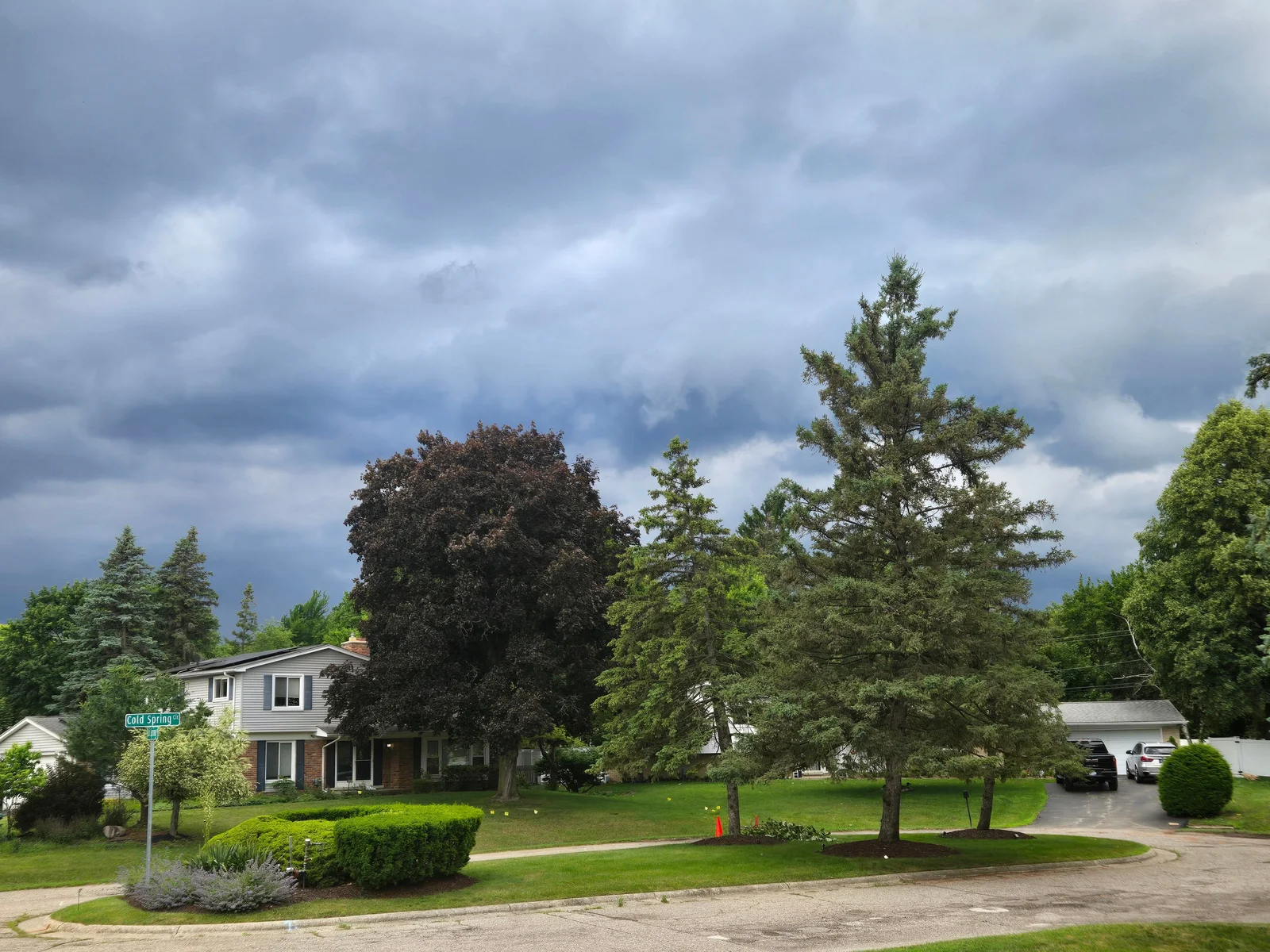
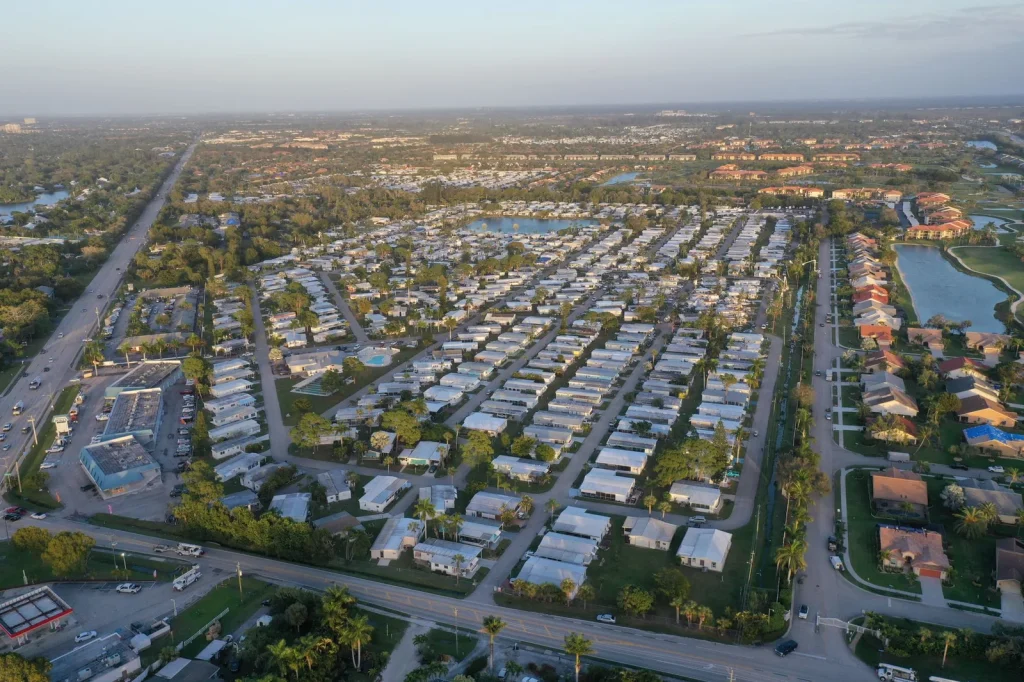
Daily life is quieter and more ordinary, and that’s mostly a good thing. Central Florida is a big region, and most of it looks nothing like the attractions. It’s residential streets, grocery runs, youth sports on weekends, and neighbors you actually get to know. The region is spread out, so where you land shapes your day-to-day far more than the fact that you’re “near Orlando” ever will. The version of Florida you experience on a long weekend and the version you live in year-round are related, but they’re not the same place.
The summer heat and rainy season nobody mentions
Let’s be straight about the weather, because it’s the thing people most often underestimate. Roughly June through September, Central Florida is hot and humid in a way that’s hard to appreciate until you’ve spent a full summer in it. It’s not just the temperature; it’s the humidity that makes early afternoon feel like the inside of a greenhouse.
Summer also brings a near-daily rhythm: mornings can be clear, and then most afternoons a thunderstorm rolls through, often intense and often brief. You learn to plan outdoor time around it.
Then there’s hurricane season, which runs June through November. Being inland helps, and it’s a real advantage over living on the coast — but it doesn’t make you a bystander. Some of the worst damage this region has seen came from storms that came ashore somewhere else and then sat over Central Florida dropping rain. The ground here is flat, a lot of it has been built on, and water ends up with fewer places to go. Neighborhoods nowhere near a coastline have taken on serious water. That’s the version of hurricane risk worth planning around here, and it’s worth understanding how homes, insurance, and preparation work before you arrive rather than after.
And then there are lovebugs, which have historically swarmed in spring and again in late summer. Their numbers have thinned in recent years, but in a heavy season they’ll test your patience and your windshield.
The flip side is the part people fall in love with: the winters are mild and genuinely pleasant, and much of the year is comfortable enough to be outdoors. Plenty of people here make that trade willingly — they accept the hard summers because the rest of the calendar is so easy. But it’s a trade, and it helps to walk into it with your eyes open.
Commuting and getting around the region
Central Florida is large and car-dependent, and that catches a lot of newcomers off guard. Distances that look short on a map can eat up real time, especially on I-4, which ties the region together and is reliably congested during rush hours and around the attractions corridor. Tourist traffic is a genuine factor; the same roads that carry visitors to the parks carry residents to work.
There is some rail — SunRail runs north and south through the middle of the region, and it’s worth a look if your commute happens to line up with it. But for most households here, daily life is still organized around a car.
What this means in practice is that the location of your home relative to where you work, where your kids go to school, and where you spend your weekends matters enormously. A twenty-minute drive and a fifty-minute drive can be the difference between two neighborhoods that look similar on paper. If you can, it’s worth driving your likely commute at the actual time you’d be making it, on a weekday, before you commit to an area. The map won’t tell you what 5:30 on I-4 feels like.
What the cost of living actually feels like
Florida has no state income tax, and that’s a real draw for a lot of people relocating here. But cost of living is more textured than any single headline number, and a few line items surprise newcomers. Home insurance tends to run higher than the national average — that’s tied to the region’s exposure to storms — and it’s a cost worth building into your budget from the start rather than treating it as an afterthought. Property taxes deserve the same attention, and they don’t work the way most newcomers assume: what the current owner pays is rarely what you’ll pay. Depending on where you come from, housing itself may feel like a bargain or a stretch, because prices vary widely across the region.
We’re not going to give you a budget or tax advice here — that’s a conversation for the right professionals — but we’ll say this: the true monthly picture includes the mortgage or rent, property taxes, insurance, utilities that run hard in summer, the driving that a spread-out region requires, and, depending on the community, more besides. When people say Florida felt more expensive or less expensive than they expected, it’s usually one of those pieces they hadn’t accounted for. If you want to go deeper on the specifics, our piece on The Real Cost of Living in Central Florida breaks the numbers down honestly.
Finding a community that fits long-term
This is where relocation decisions are really made or regretted. A house is a house, but a community is where your daily life happens — and the right fit is deeply personal. It comes down to your priorities: how far you’re willing to commute, what you want within walking distance, whether you want the buzz of an active area or the quiet of an established one, and what your household actually does on a normal weekend.
What a typical week looks like once the novelty fades
The first few months anywhere feel like an extended vacation. Then the novelty fades, and what’s left is your real life: the school drop-off, the grocery store you default to, the route you drive most, the park you take the dog to, the neighbors you wave at. A community that’s fun to visit isn’t automatically a community that’s easy to live in week after week. The question worth sitting with is whether the ordinary version of your week — not the exciting version — would feel good in a given place.
Tradeoffs between tourist-adjacent and residential areas
Central Florida communities sit on a spectrum. On one end are tourist-adjacent areas near the attractions and around Four Corners — places like Reunion and ChampionsGate — where you’re close to the parks, the amenities are abundant, and there’s a steady rhythm of visitors and short-term rentals nearby. That energy is a genuine draw for some households and a distraction for others.
On the other end are master-planned residential communities like Lake Nona and Horizon West, built around schools, parks, and everyday services, with a more settled, live-here feel even where the building is still going on. Neither end is better in the abstract; they simply serve different priorities. If you’re weighing that specific choice, our comparison of Lake Nona vs. Horizon West lays out how two of the region’s best-known communities actually differ, and our broader guide on Choosing the Right Central Florida Community walks through the wider set of options.
Questions to ask before choosing where to land
A few honest questions tend to surface the right answer faster than any ranking or list ever will:
How long am I willing to drive, and to where? Anchor your search around your real commute and the places you’ll go weekly.
What do I want within a few minutes of home? Schools, groceries, healthcare, green space — name your non-negotiables.
Do I want an active, amenity-rich setting or a quieter one? Both exist here in abundance.
What does my household actually need day to day? If you’re moving with children, that question deserves its own attention. Our guide on Moving to Central Florida with Kids gets into it.
The goal isn’t to find the “best” neighborhood in some general sense. It’s to find the one that fits how you specifically plan to live.
What people wish they’d known before moving
When we talk with people a year or two after their move, the regrets are rarely dramatic. They’re small, practical things: I wish I’d understood the summers before I picked a house without good shade. I wish I’d driven the commute first. I wish I’d budgeted for insurance from day one. I wish I’d spent more time in the actual neighborhood, on a weekday, before deciding.
What they’d change is almost never the move itself. It’s how much they knew going in — and that’s the part you can control now.
Relocating well isn’t about finding a place with no tradeoffs, because no place has none. It’s about knowing which tradeoffs you’re signing up for and deciding they’re worth it for the life you’re building.
If you’re somewhere in that thinking — still weighing whether Central Florida is right for you, or just trying to figure out where in the region you’d actually want to land — the team at Verity is always happy to talk it through. No pressure and no pitch. Just an honest conversation about what daily life here really looks like, so you can make the call that fits your household.
This article is educational and not legal, tax or financial advice. For your specific situation, it’s best to consult a licensed professional — an attorney, CPA, lender or advisor, as appropriate.